.svg)

.svg)
%202.svg)
%201.svg)
The Evolution of Predictive AI at CES 2026

Walking through the exhibit halls at CES 2026 in Las Vegas, one common thread emerges across the show floor. Autonomous vehicles predict pedestrian movements before they happen. Manufacturing robots detect equipment failures before they occur. Smart home devices learn user patterns to optimize energy consumption. At the center of all these innovations lies a common denominator: Predictive AI.
This year's CES moved beyond the flashy demonstrations of generative AI to showcase AI's evolution into a practical tool that calculates future outcomes and supports decision-making. AI is no longer just answering questions—it's forecasting what will happen next and recommending optimal actions, establishing itself as core technology across industries.
The Paradigm Shift Created by Predictive AI
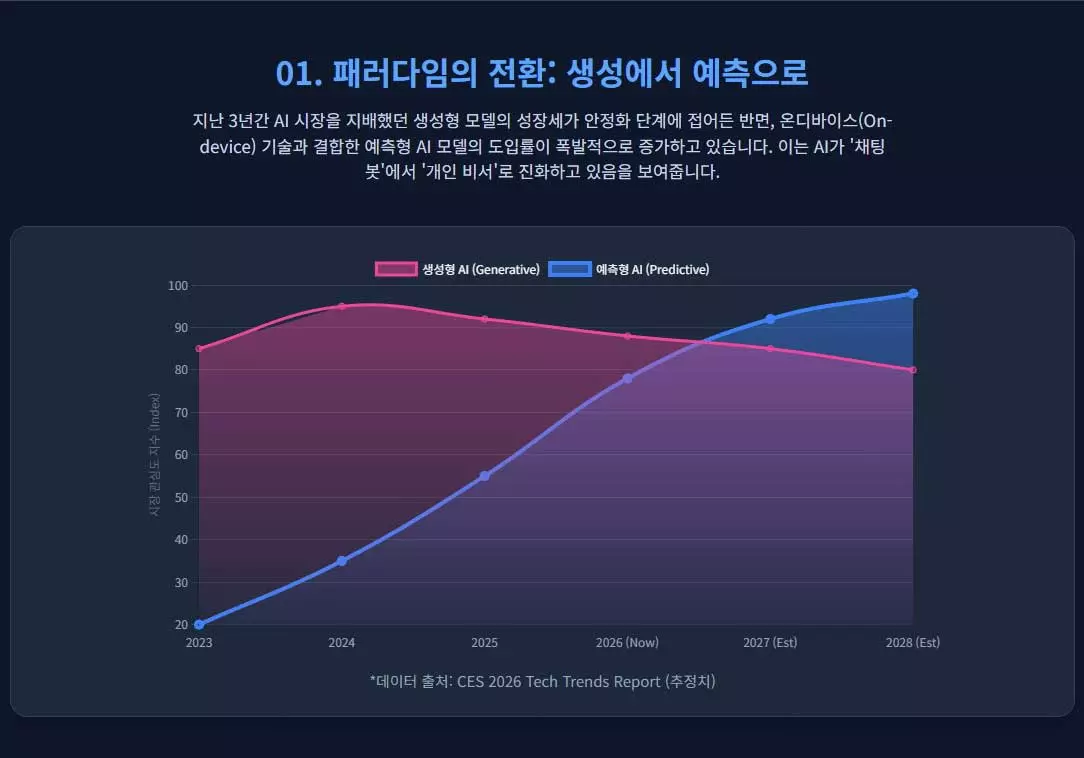
Predictive AI is artificial intelligence technology that learns patterns from historical data to estimate future states or events. Unlike traditional rule-based automation or simple statistical models, it leverages deep learning and machine learning to identify nonlinear relationships among complex variables and improve prediction accuracy.
The reason this technology captured attention at CES 2026 is clear. In an increasingly uncertain business environment, proactive response has become the key to competitive advantage. EY's CES 2026 preview report outlined the evolution from rule-based automation through machine learning-based prediction, deep learning and generative AI, toward agentic AI that autonomously sets goals and plans actions—emphasizing prediction and decision automation as critical intermediate stages. We've entered an era where detecting and responding to problems before they occur is now possible, rather than simply solving them after the fact.
Predictive AI in Mobility
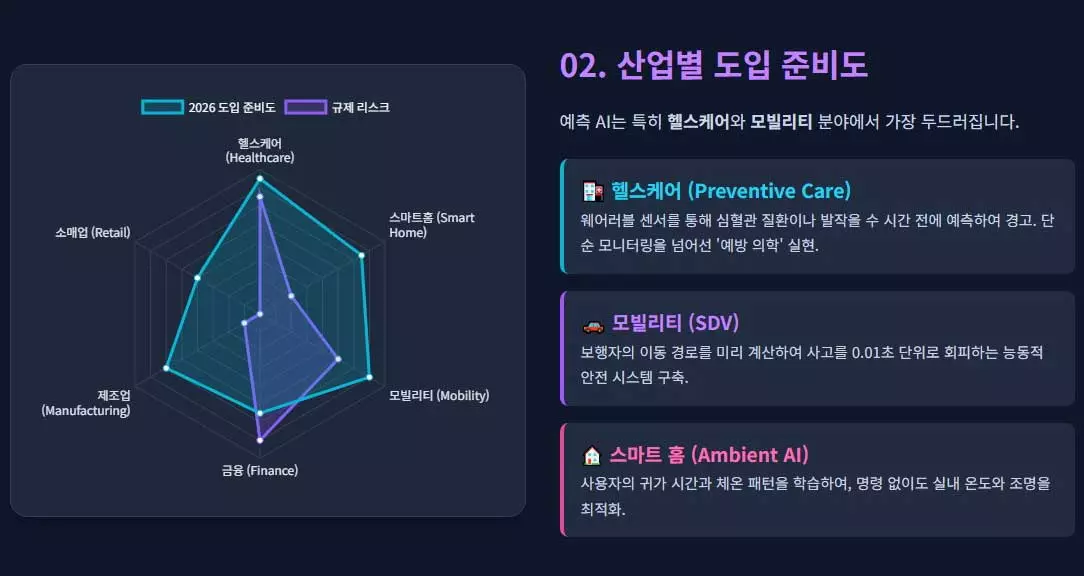
The evolution of autonomous driving technology parallels the advancement of predictive AI. At CES 2026, companies including Mobileye, Horizon Robotics, Deeproute.ai, Helm.ai, and Qcraft showcased Level 4 autonomous driving software, emphasizing behavioral prediction capability as their core differentiator. They demonstrated models trained on massive real-world driving data that predict the next actions of vehicles, pedestrians, and surrounding traffic to enable Level 4 autonomy.
This goes beyond simply recognizing current situations to calculating what surrounding vehicles or pedestrians will do next. When autonomous systems can anticipate the likelihood of a car suddenly changing lanes, the probability of a pedestrian darting into an intersection, or signs of sudden braking from an adjacent vehicle, they can respond with far greater margin. This represents more than just faster reaction times. Prediction enables smoother, safer driving while significantly improving passenger comfort.
Sensor Fusion and Prediction Refinement
Advances in sensor technology underpin these prediction capabilities. Companies like NXP, Arbe, Hesai, and Robosense highlighted technologies that fuse 4D imaging radar and adaptive lidar data to predict collision risk, following distance changes, and road surface conditions in real-time. Beyond simply identifying object locations, these systems precisely measure velocity and motion vectors. Fusing this sensor data enables real-time prediction of collision risk, road condition changes, and even weather deterioration.
Component manufacturers including Mobis also prominently featured these predictive ADAS and autonomous driving functions at their booths. Functions that anticipate weather changes or obstacle emergence significantly enhance safety.
Shift-left testing in digital twin environments also deserves attention. Platform providers like QNX demonstrated workflows that handle configuration, testing, and deployment through AI-based automation while using test results to predict under what conditions accidents or errors might occur. Before hitting actual roads, systems can simulate tens of thousands of scenarios in virtual environments, identify risks in advance, and develop OTA update strategies accordingly.
Big Tech's Predictive AI Platform Strategies
NVIDIA prominently featured AI platforms across its CES 2026 keynote and booth that use large-scale models to predict demand patterns, robot behavior, and autonomous driving situations spanning data centers, robotics, and mobility. The company emphasized prediction capabilities in its DRIVE platform and robotics solutions that calculate vehicle and pedestrian behavior and workplace environment changes in advance to enhance safety and efficiency.
AMD and Qualcomm also delivered presentations highlighting computational and power efficiency for rapidly processing predictive workloads including demand forecasting, risk analysis, simulation, and autonomous driving inference on AI accelerators, AI PCs, and edge chips. Both companies showcased numerous case-focused demos running actual prediction models in industrial, mobility, and healthcare applications.
Robots That Predict the Physical World | Physical AI and Robotics
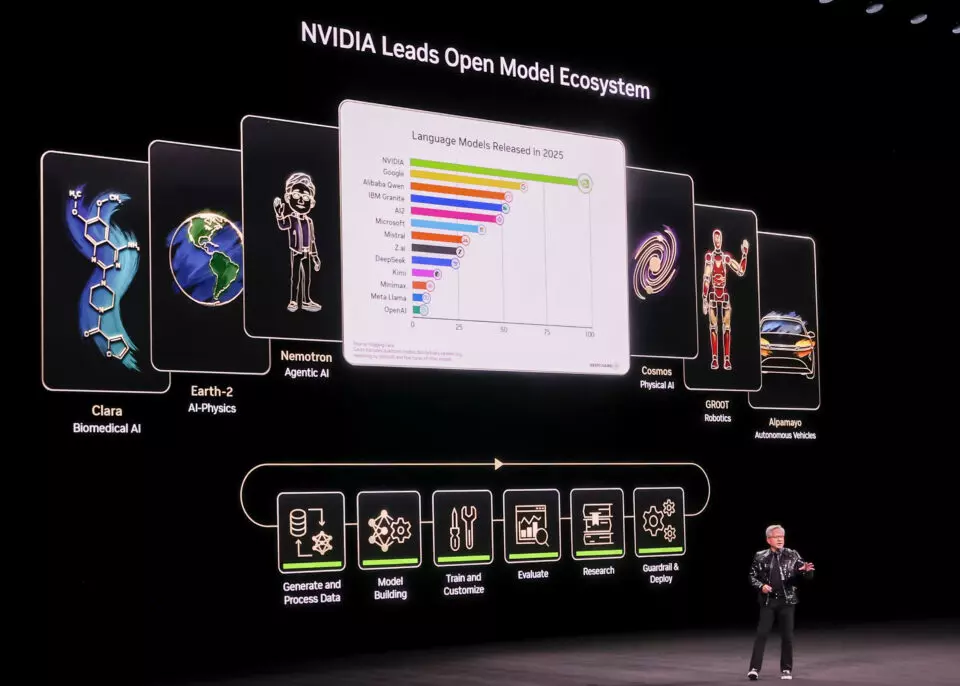
Physical AI emerged as another core keyword at CES 2026. Rather than simply repeating predetermined motions, robots now possess the ability to understand and reason about the physical world while autonomously predicting their next actions. NVIDIA's vision and language-based physical AI open inference model "Cosmos Reason 2" presented scenarios where robots detect objects and environmental changes, predict task success probability and risks, then plan actions accordingly.
In manufacturing plants and logistics warehouses, these prediction capabilities translate into tangible efficiency improvements. When factory robots detect signs of equipment failure in advance, they prevent sudden production line stoppages. When logistics robots predict task delays or collision risks, they adjust routes and task sequences to increase overall throughput.
Physical AI and robotics sessions featured numerous demos focused on robots in factories and warehouses that proactively predict equipment failure signs, task delays, and collision risks to adjust routes and work sequences. For humanoid robots where human collaboration is critical, the ability to predict human motions and identify hazardous situations in advance serves as a prerequisite for safe cooperation.
AI That Predicts Daily Life | Healthcare and Smart Home
Predictive Capabilities in Digital Health
In digital health, predictive AI enables a paradigm shift from treatment-centered to prevention-centered care. CES 2026 previews and coverage indicated that wearables and digital health devices using biosignals and lifestyle pattern data to predict disease progression likelihood, cardiovascular event risk, and sleep and stress states would form a major pillar.
The emphasis centered on providing prevention-focused healthcare services—personalized exercise, diet, and medication reminders—based on prediction results. This enables appropriate intervention before conditions worsen while optimizing hospital visit timing.
Ambient AI and Smart Homes
In the smart home domain, AI that learns user lifestyle patterns and energy consumption data to predict when which appliances will be used and in which rooms activities will occur, then proactively controls lighting, HVAC, and security systems, featured prominently in CES 2026 demonstrations.
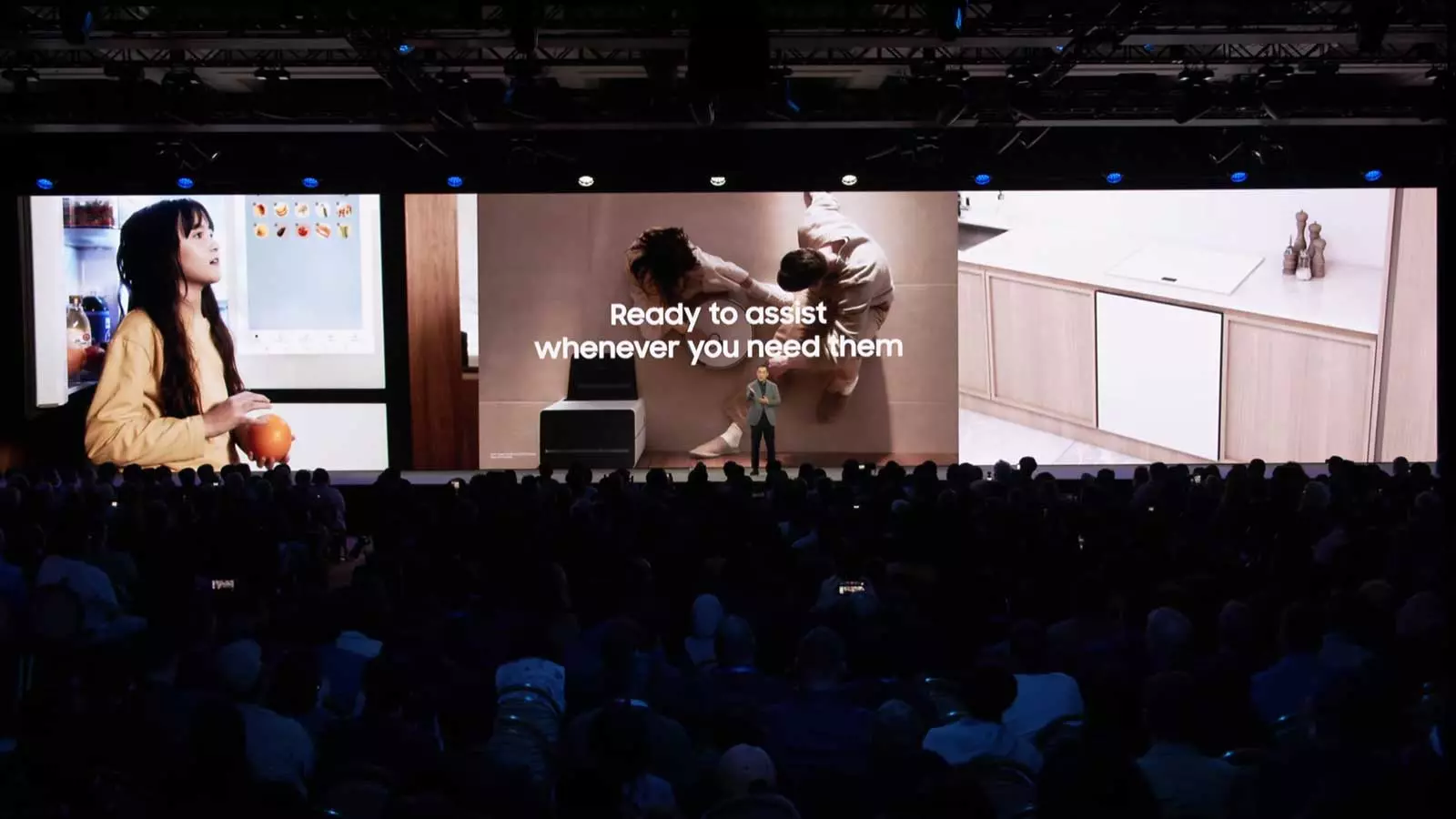
Samsung Electronics presented a vision where TV and appliance-centered AI platforms predict user preferences and viewing patterns to provide content recommendations, energy savings, and advance malfunction notifications. By predicting when users will return home and which appliances they'll use to pre-adjust lighting and HVAC, the system simultaneously improves convenience and energy efficiency. Functions that detect abnormal signals in appliance components to predict failures and provide advance notifications also reduce maintenance costs.
Demand Forecasting AI Transforming Business Decisions
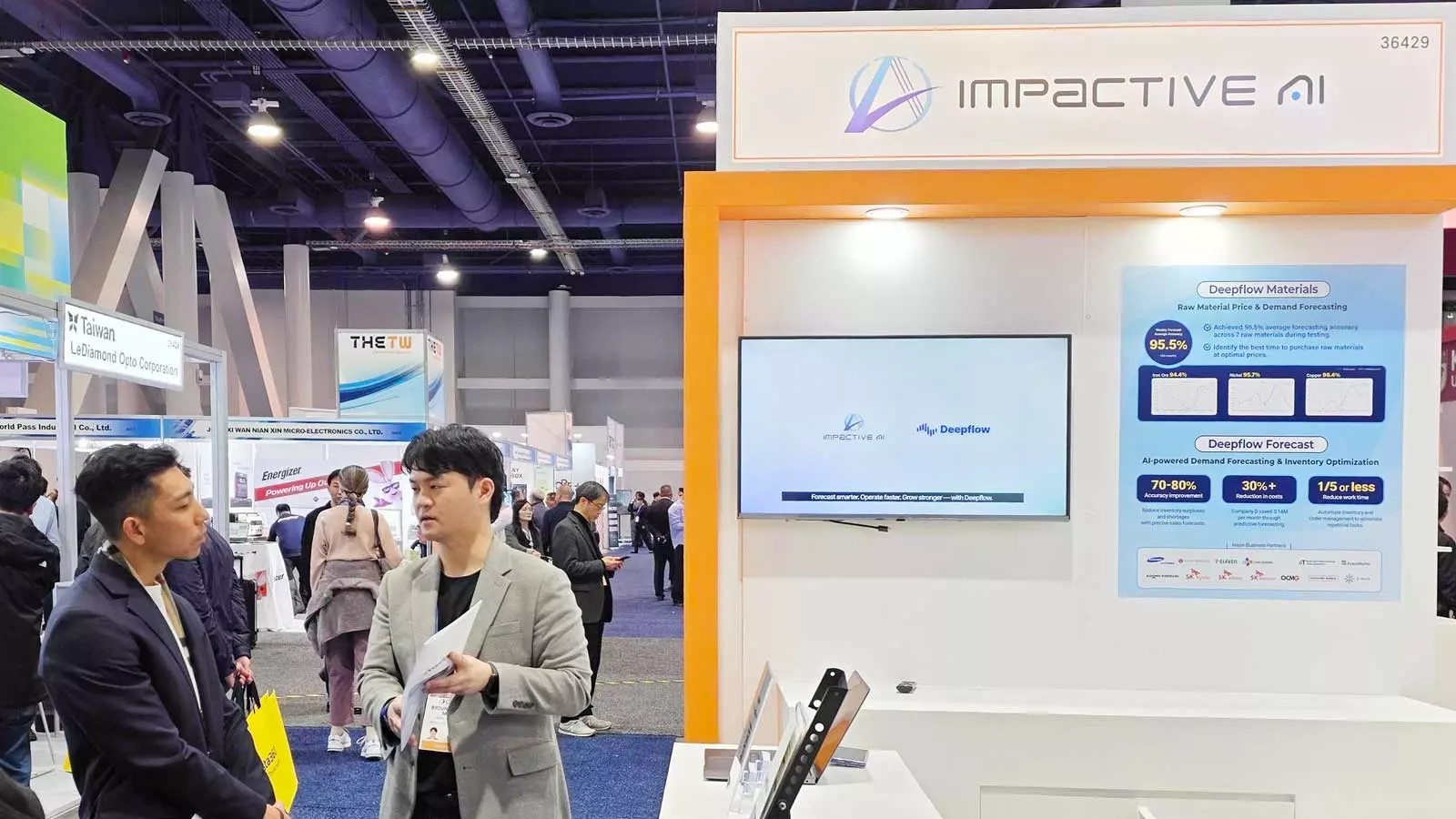
Predictive AI is emerging as core technology that prevents excess inventory and stockouts for manufacturing and distribution companies while maximizing operational efficiency through demand forecasting and supply chain optimization. ImpactiveAI's Deepflow, which garnered attention at CES 2026, integrates over 224 machine learning and deep learning models with extensive external data to deliver accurate sales and shipment volume forecasts.
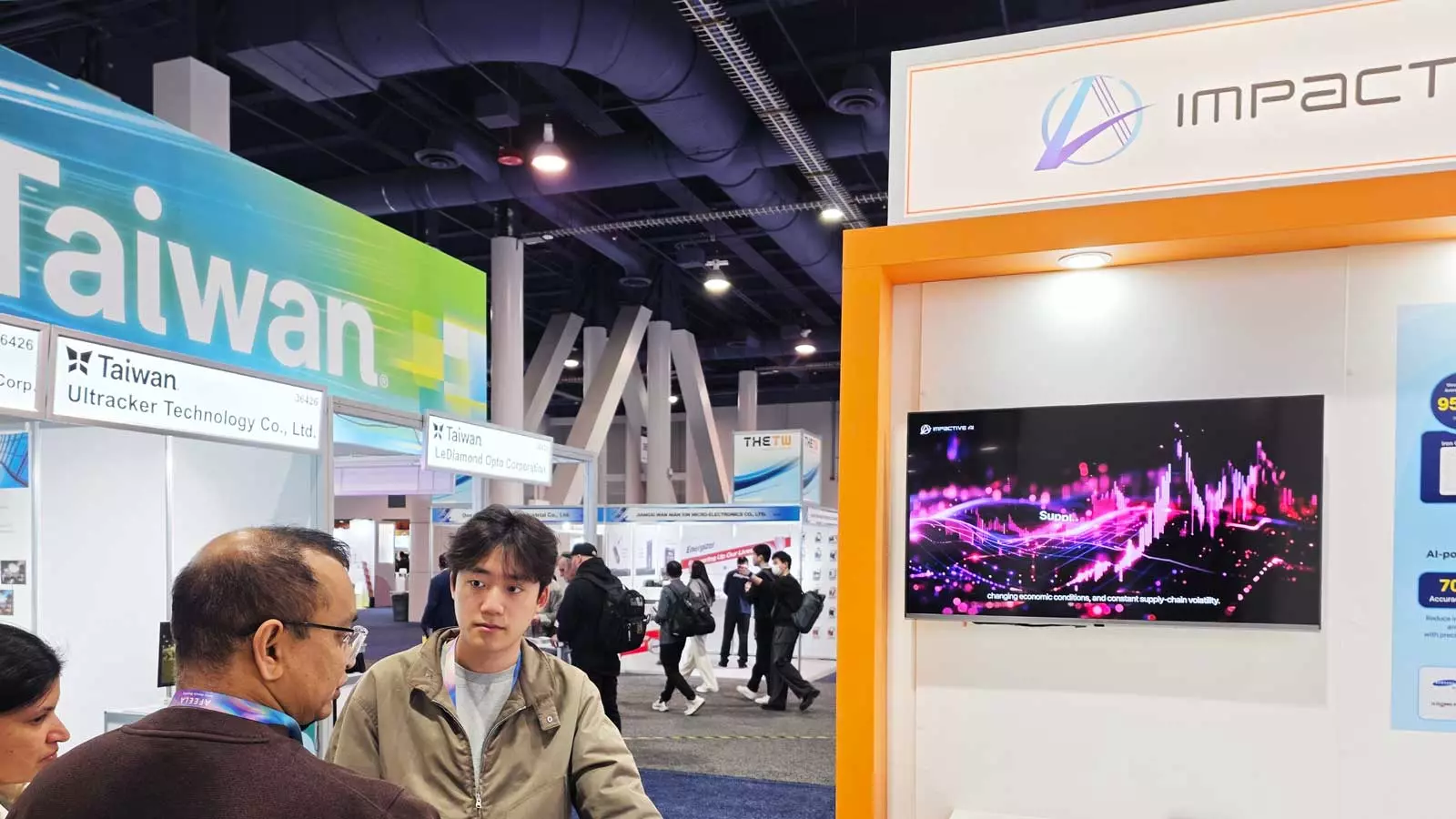
Deepflow's differentiator extends beyond simply providing predictions. It leverages LLM-based analysis capabilities to automatically present not only the rationale behind forecasts but also execution strategies optimized for each department—sales, marketing, SCM, and others. This enables practitioners to reduce time spent on complex data interpretation and report writing, focusing instead on strategic decision-making.
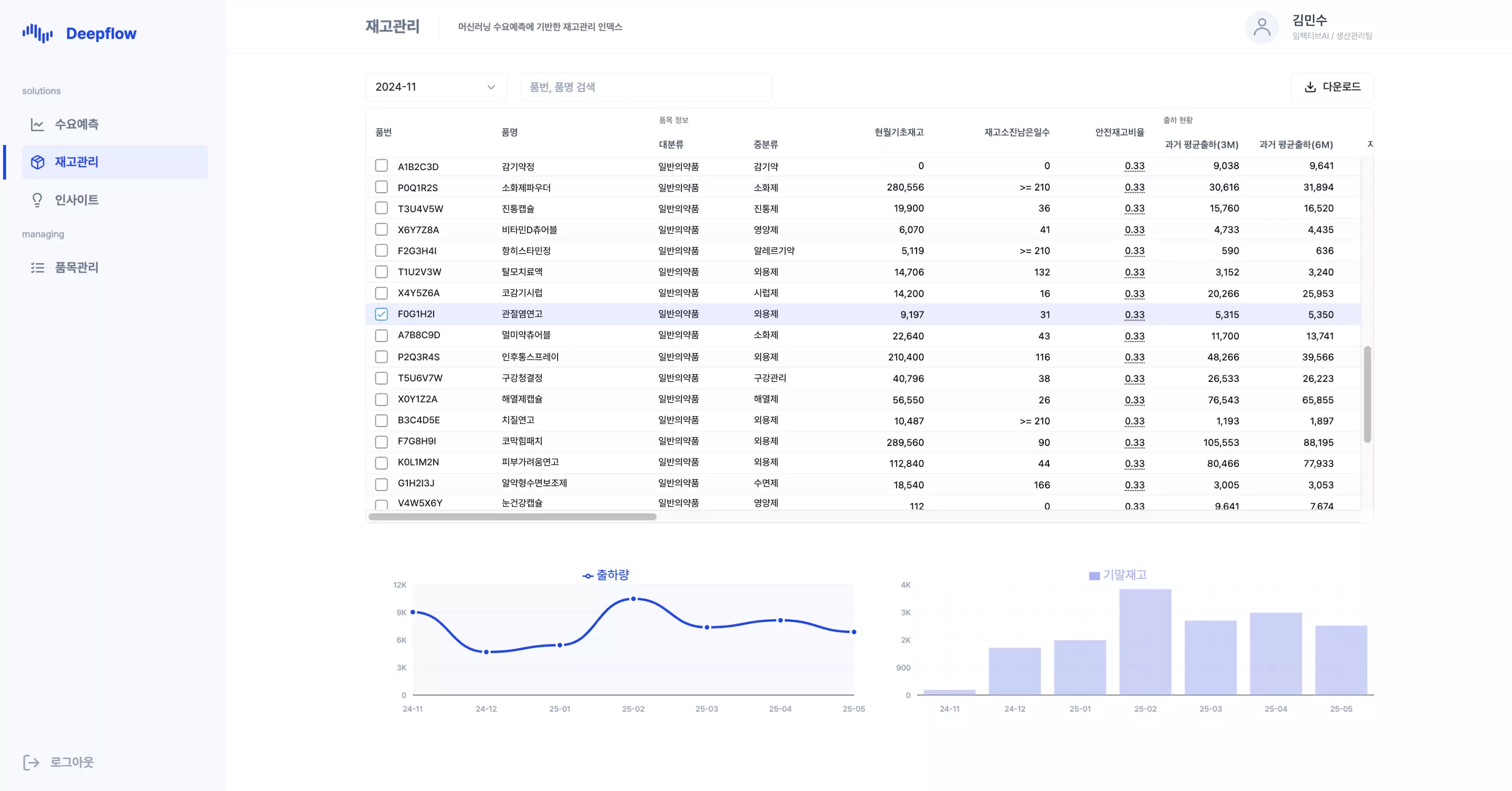
Additionally, the BI dashboard visually manages inventory status and production volume to minimize costs and stockout risks, while the MI dashboard provides external market data including exchange rates and raw material prices along with short-term forecasts to help companies proactively respond to market volatility. Deepflow points toward the future direction of predictive AI that supports concrete business actions beyond forecasting, aligning with the major AI trends emphasized at CES 2026.
Infrastructure Evolution Supporting Predictive AI
The proliferation of predictive AI would be impossible without infrastructure advancements to support it. The CES 2026 preview report identified AI infrastructure for processing ultra-large-scale predictive workloads—weather forecasting, drug discovery, financial risk analysis, supply chain simulation—as a core investment area. Wafer-scale chips, high-performance storage, and AI data platforms represent prime examples.
Cerebras's wafer-scale computing and Pure Storage's FlashBlade and EXA were introduced as foundations for reliably processing large-scale prediction and simulation model training and inference. Without such infrastructure, the enormous computational power and data processing performance required by complex prediction models would be unmanageable.
Particularly noteworthy is predictive AI's expansion from cloud-centric deployments to edge and on-device implementations. Autonomous vehicles and manufacturing robots require real-time decision-making and cannot tolerate network latency. Therefore, model compression techniques and efficient chip designs that enable prediction model operation on devices themselves are gaining importance.
Evolution Toward Agentic AI and the Role of Prediction
The report outlined the progression from rule-based automation through machine learning-based prediction, beyond deep learning and generative AI, toward agentic AI that autonomously sets goals and plans actions—emphasizing prediction and decision automation as critical intermediate stages. Within this progression, predictive AI is viewed as the foundational layer supporting decision-making across industries and daily life, connecting to virtually every session and exhibition topic.
Manufacturing companies predict equipment failures to reduce maintenance costs. Distribution companies accurately forecast demand to improve inventory efficiency. Healthcare companies detect condition deterioration in advance to provide prevention-centered services. Autonomous vehicles predict risks to enhance safety. Smart homes learn user patterns to conserve energy.
The Present and Future of Predictive AI Revealed at CES 2026
The evolution of predictive AI confirmed at CES 2026 signals fundamental transformation across industries and daily life. AI that goes beyond analyzing historical data to calculate future outcomes and recommend optimal actions is becoming essential rather than optional.
The core of this transformation lies not in the technology itself but in the business value it creates. Predictive AI reduces uncertainty, improves decision quality, and enables proactive response before problems occur. CES 2026 demonstrated that these possibilities have moved from concept to reality. From NVIDIA's physical AI platform to Mobileye's autonomous driving software, Samsung Electronics' ambient AI, and ImpactiveAI's demand forecasting solution, concrete examples poured forth showing predictive AI solving real problems across sectors.
Watching how deeply predictive AI will permeate industries and daily life, and what new value it will create, promises to be fascinating. CES 2026 marked an important milestone in that journey.
.svg)


.svg)







%201.svg)
%202.svg)


.svg)